
US Streetwear Sizing: A Simple Guide
By Cole Ramsey, Chicago streetwear writer covering sizing, layering and care.
US streetwear sizing is simple once you stop trusting the letter on the tag and start trusting a tape measure. An M from one label is an L from another, and a relaxed-fit hoodie is built to hang big on purpose. Five minutes with a soft tape and one hoodie you already love will save you a return, a wasted week and a very awkward mirror moment.
What do US letter sizes actually mean?
US letter sizes are body-measurement ranges, and every brand draws those ranges a little differently. Take Cutter & Buck, a US apparel brand that publishes its men’s chart openly: Small covers a 36 to 38 inch chest, Medium 39 to 41, Large 42 to 44 and XL 45 to 48. That’s one company’s numbers, not a federal law. Plenty of labels shift everything an inch or two in either direction.
So the letter is a starting point. Nothing more. The real story lives in the chart and in words like “relaxed fit”, which tell you how much extra fabric sits on top of your body.
How do you measure yourself for streetwear?
Measuring for streetwear takes two body numbers and one garment number, and you can do all three in your bedroom. Cutter & Buck’s guide says to measure the chest “at the fullest part of your chest, keeping the tape parallel to the floor”, and the waist “at the smallest part of your waist”, usually below the rib cage and above the hip bone. Here’s the full checklist:
- Chest: soft tape around the fullest part, arms relaxed, breathe normally. No flexing. Nobody’s watching.
- Waist: the narrowest point of your torso, tape snug but not digging in.
- Pit to pit on a hoodie you love: lay it flat, measure straight across from armpit seam to armpit seam, then double it.
- Body length on that same hoodie: from the top of the shoulder by the collar down to the hem.
- Write it down. On your phone, today. Future you will thank you.
That pit-to-pit number is the cheat code. Your body says what you are. Your favorite hoodie says how you like to wear it.
Which size should you pick? A quick reference table
The fastest way to pick a streetwear size is to find your chest measurement on a published chart, then decide if you want the fit true or roomy. The chest and waist ranges below come from Cutter & Buck’s men’s chart. The last column is my call, not theirs.
| Size | Chest (in) | Waist (in) | Streetwear call |
|---|---|---|---|
| S | 36 to 38 | 31 to 32 | Lean frame, want it clean? Stay here. |
| M | 39 to 41 | 33 to 35 | Top of the range? Size up for drape. |
| L | 42 to 44 | 36 to 38 | Broad shoulders love this for relaxed hoodies. |
| XL | 45 to 48 | 39 to 43 | Check body length first, XL runs long. |
If you sit right on the border between two sizes, go by your shoulders. Wide shoulders, take the bigger one. Narrow shoulders, take the smaller one and let a relaxed cut do the work.
Do tees, hoodies and sweatpants size the same way?
Tees, hoodies and sweatpants all use the same S to XL letters here, but each one fits your body differently, so read them separately. Our graphic tees are listed as 100% cotton with a relaxed fit, which means a bit of room through the body and a print that sits flat instead of stretching into a funhouse mirror.
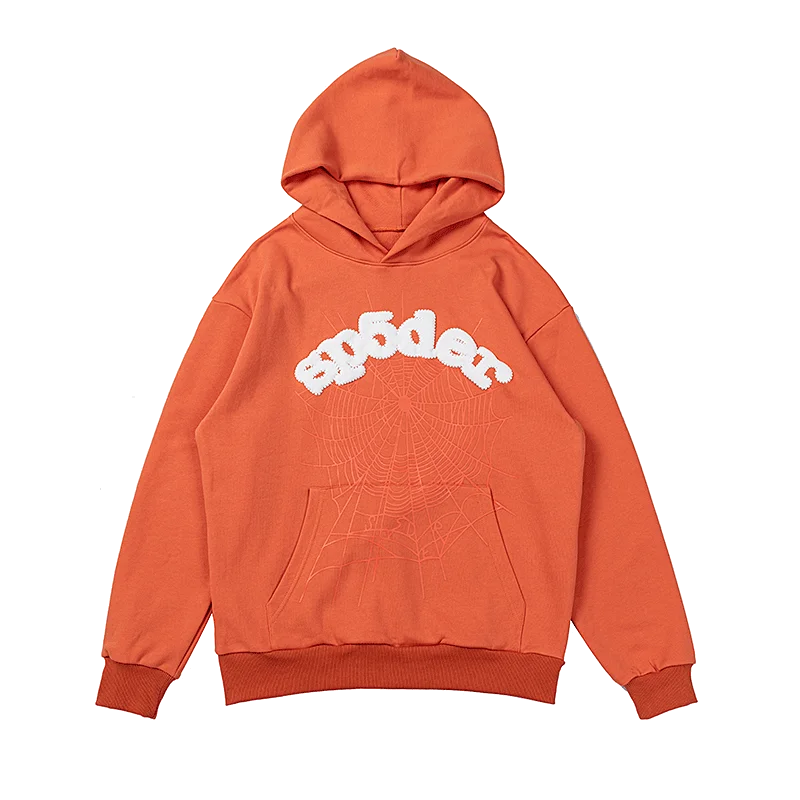
Hoodies are where people mess up most. A piece like the Sp5der Legacy Hoodie in ginger is described as a relaxed streetwear fit, already cut for layering. Size up two times on top of that and you’re not “oversized”, you’re wearing a tent. One size up is the max for most people.
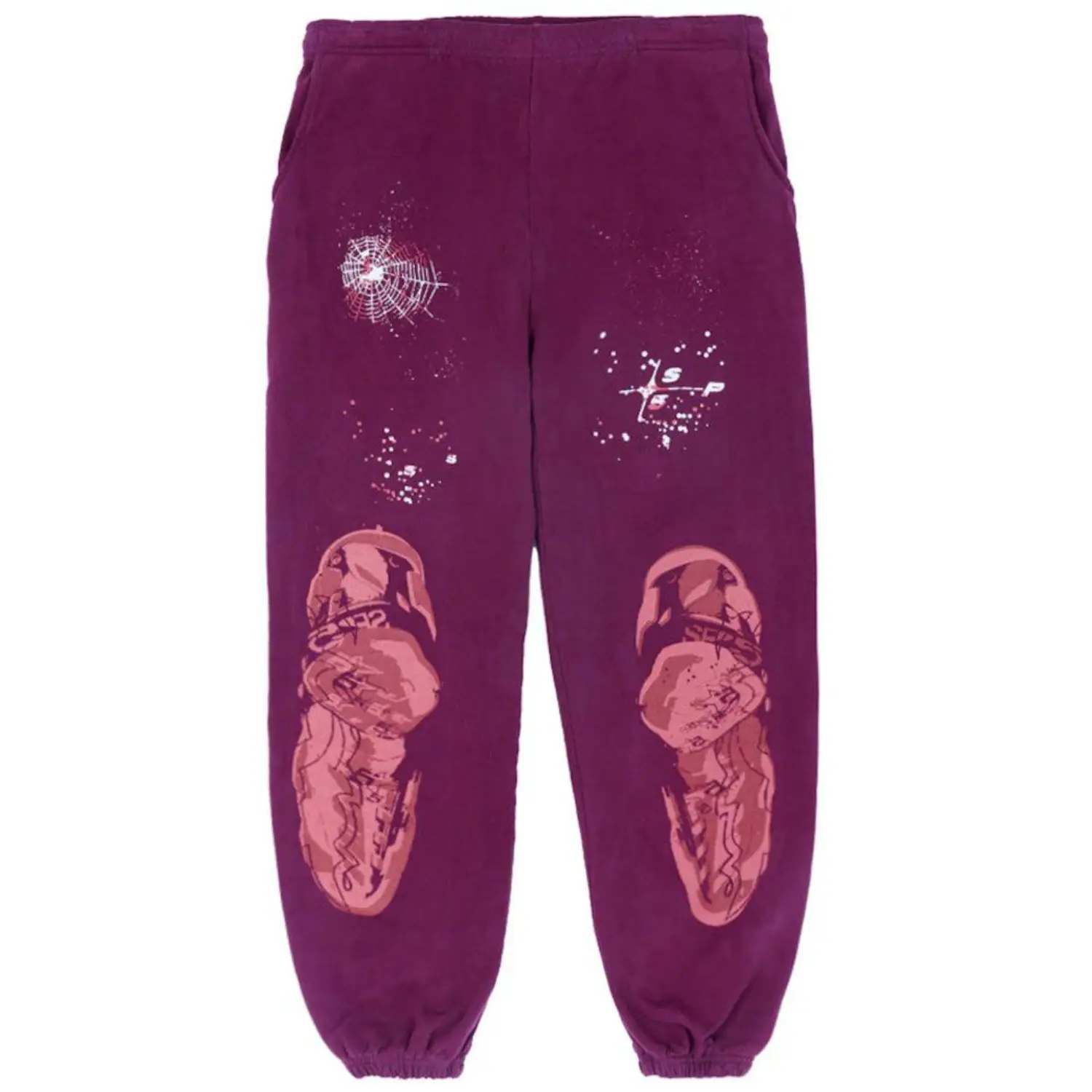
Sweatpants run off your waist, not your chest. Your hips and thighs come next. If your waist sits in one size and your thighs beg for the next one, take the bigger size and tighten the drawstring. An elastic waist forgives. Tight thighs never do. Browse the sweatpants lineup with your waist number in hand, and for matching sets check the sweatsuits the same way, top by chest, bottom by waist.
What about imported and Asian sizing?
Asian sizing usually runs smaller than US sizing, so a tag that says L on an imported piece might fit like a US M. Trendsi, a dropshipping supplier, says in its conversion guide to “generally, add 1-2 sizes when converting from US to Asian sizes”. Asian sizing isn’t wrong, it just starts from a different base.
My honest advice: when a product page gives inches or centimeters, ignore the letter completely and compare the numbers to that hoodie you measured earlier. The measurements tell you how it fits. The letter doesn’t.
Should you size up or stay true to size?
Stay true to size on anything already labeled relaxed, and size up once only when you want real drape and your shoulders can carry it. Shorter guys, be careful. One size up adds width and length together, and a hem that drops to mid-thigh makes your legs look like they clocked out early. If you want to understand how cut changes all this, our breakdown of boxy, regular and slim hoodie fits goes deep on silhouette.
Also think about your laundry habits before you choose. Cotton can shrink in a hot dryer, so if you blast everything on high heat, leave yourself some room or read up on washing graphic prints so they last and switch to cold.
FAQ
Is streetwear supposed to fit big?
Most streetwear is cut with extra room on purpose, especially hoodies and tees labeled relaxed or oversized. That built-in room is why sizing up twice usually overshoots. Start with your true size and only go up if you want a looser drape.
What if my chest and waist land in different sizes?
Pick tops by chest and bottoms by waist, and don’t force a single size on both. Matching sets look the same from across the room even when the top and bottom are different sizes.
How do I measure a hoodie lying flat?
Lay the hoodie on a table, smooth out the wrinkles and measure straight across from one armpit seam to the other. Double that number to get the full chest. Then measure from the top of the shoulder beside the collar down to the hem for body length.
Are US men’s and women’s sizes the same?
No, US women’s sizing is its own system, so a women’s M and a men’s M are not the same measurement. Streetwear tees and hoodies usually follow men’s or unisex sizing, so skip the letter and compare the chest number to a piece you already own.